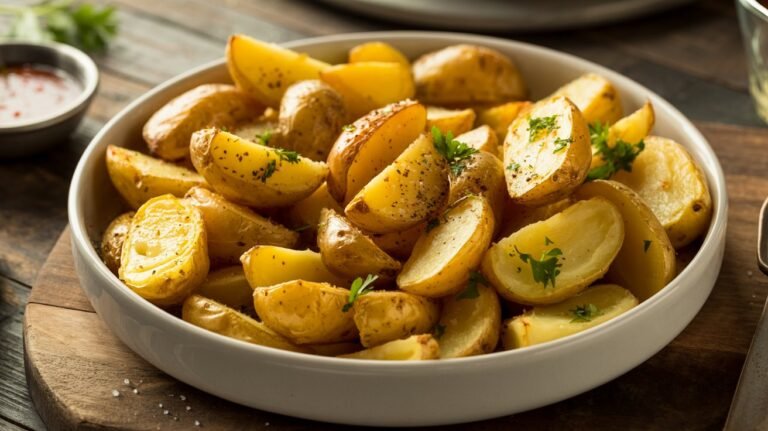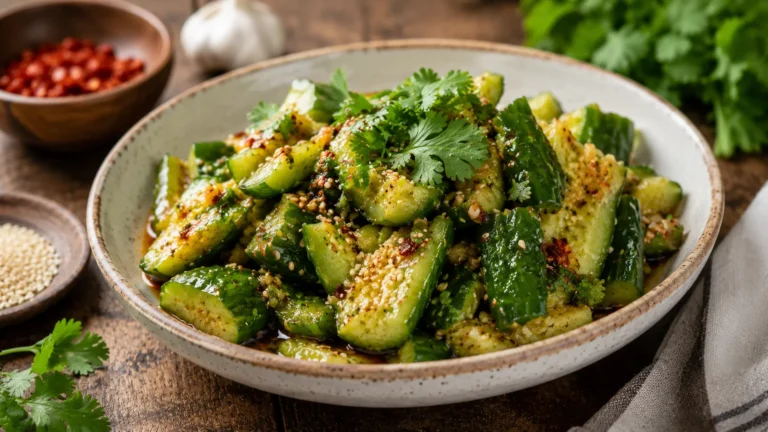
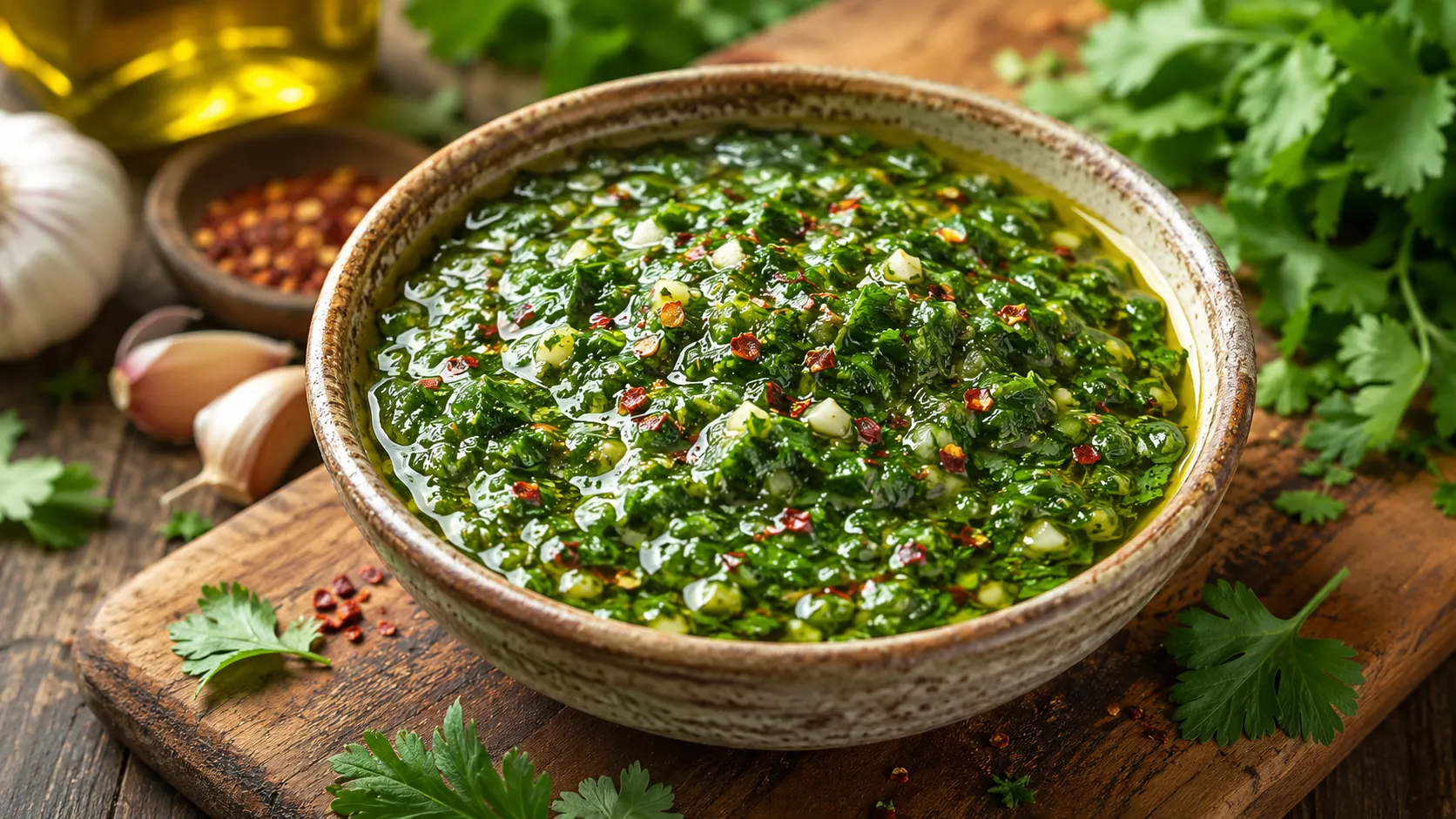
The Chimichurri Sauce Recipe is one of those simple kitchen staples that instantly transforms an ordinary meal into something unforgettable. Bright, herbaceous, garlicky, and packed with fresh flavor, this classic sauce brings color and excitement to everything from grilled meats to roasted vegetables.
What makes this recipe special is how quickly it comes together using fresh ingredients you can easily find at the grocery store. The combination of parsley, garlic, olive oil, and vinegar creates a bold yet balanced flavor that tastes fresh and vibrant.
In my experience, homemade chimichurri always tastes brighter and more aromatic than store-bought versions. I’ve noticed that even simple grilled chicken becomes restaurant-worthy when topped with this sauce. Whether you’re planning a backyard barbecue or looking for a fresh finishing touch, this recipe is worth keeping on repeat.
Why You’ll Love This Recipe
This chimichurri sauce recipe is incredibly easy to make and requires no cooking at all. Everything comes together in just a few minutes, making it perfect for busy weeknights or last-minute entertaining.
You’ll love the fresh, zesty flavor that comes from simple ingredients working together beautifully. The garlic adds boldness, while the herbs provide freshness and the vinegar adds a pleasant tang.
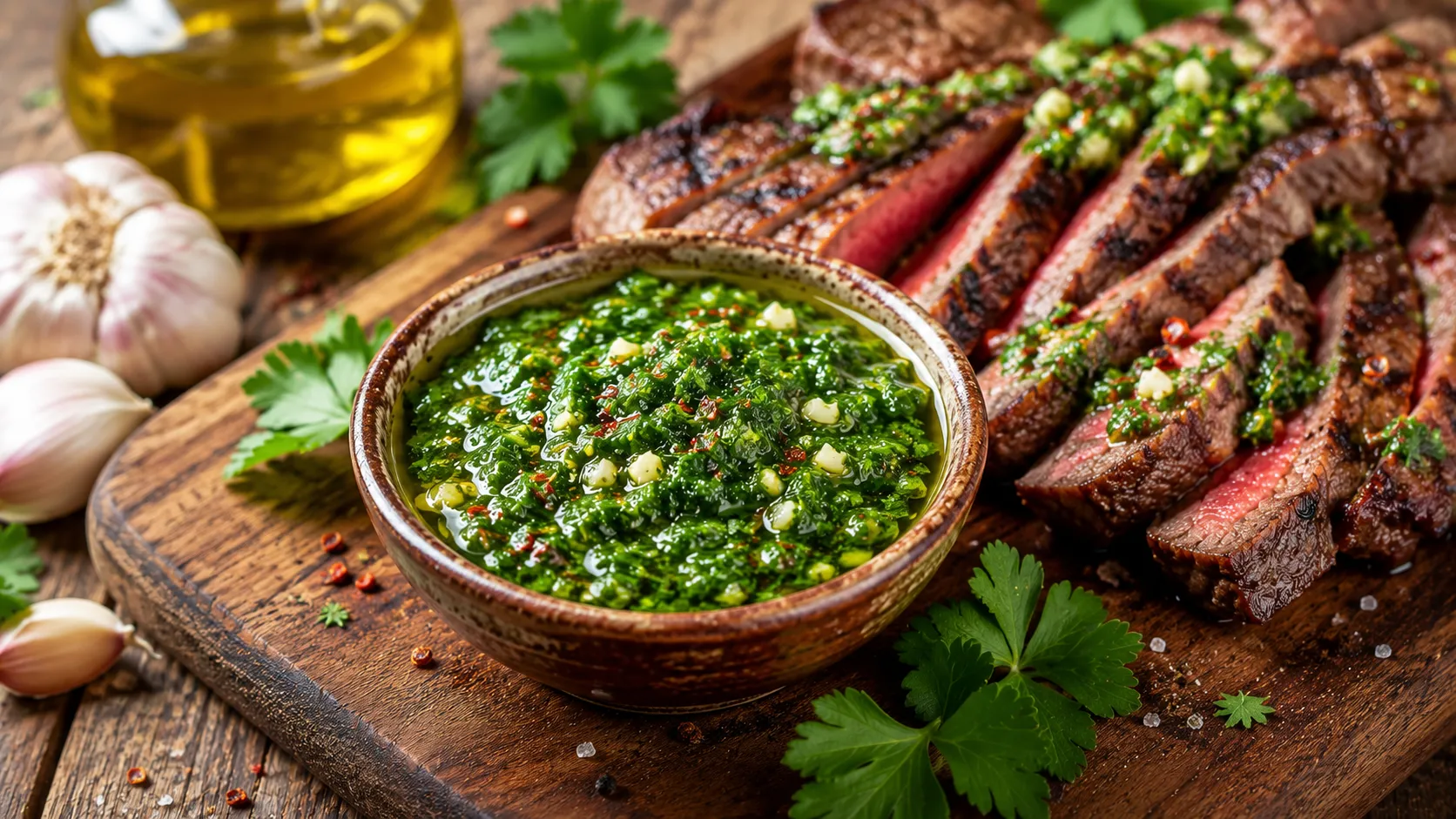
Another reason this recipe stands out is its versatility. It pairs wonderfully with steak, chicken, seafood, vegetables, and even sandwiches. I’ve tried this on roasted potatoes and grilled shrimp with excellent results. The bright green color also makes every plate look more inviting and Pinterest-worthy.
Ingredients
- 1 cup fresh parsley, finely chopped
- ¼ cup fresh cilantro, finely chopped
- 4 garlic cloves, minced
- ½ cup extra virgin olive oil
- 3 tablespoons red wine vinegar
- 1 teaspoon dried oregano
- ½ teaspoon red pepper flakes
- ½ teaspoon salt
- ¼ teaspoon black pepper
- 1 tablespoon fresh lemon juice
How to Make It
Step 1
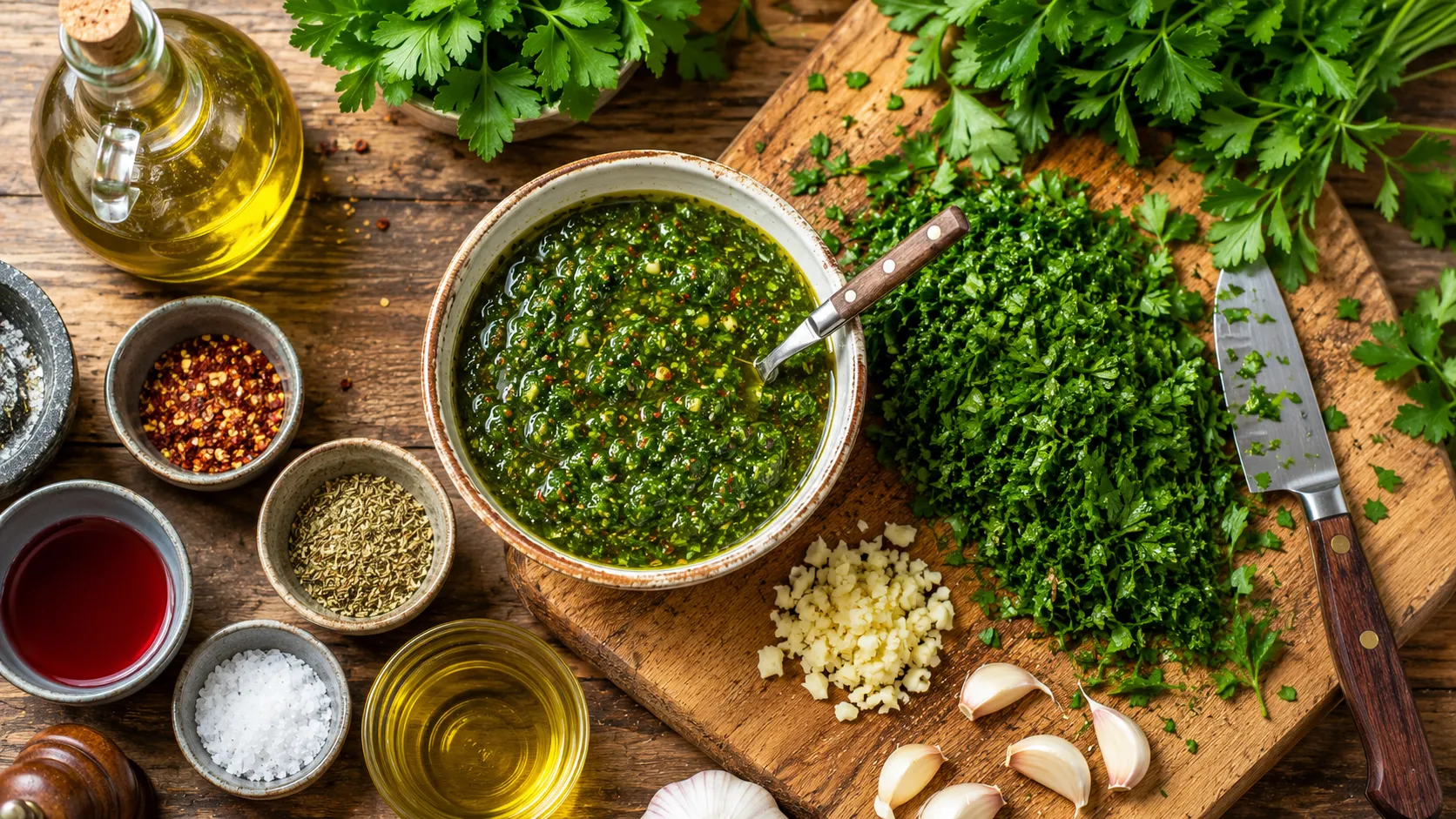
Start by washing the parsley and cilantro thoroughly under cool running water. Shake away excess moisture and pat the herbs completely dry with paper towels. Dry herbs are important because excess water can dilute the flavor and affect the sauce’s texture. Once dry, finely chop the parsley and cilantro using a sharp knife. Take your time to create small, even pieces. In my experience, hand-chopped herbs provide a better texture than herbs processed too finely in a food processor, allowing the sauce to maintain its traditional rustic appearance and fresh herbal character.
Step 2
Peel the garlic cloves and mince them as finely as possible. Smaller garlic pieces distribute more evenly throughout the sauce and create a balanced flavor in every bite. Place the chopped herbs and minced garlic into a medium mixing bowl. Stir them together gently so the ingredients are evenly distributed. At this stage, you’ll already notice the fresh aroma filling your kitchen. I’ve noticed that freshly minced garlic delivers a stronger and more vibrant flavor than pre-packaged alternatives, making a noticeable difference in the finished chimichurri sauce recipe.
Step 3
Add the dried oregano, red pepper flakes, salt, and black pepper to the herb mixture. These seasonings help build complexity and create the signature flavor profile associated with traditional chimichurri. Stir everything together carefully to ensure the spices are evenly incorporated. The oregano adds earthy depth, while the red pepper flakes contribute a gentle heat that enhances rather than overwhelms the fresh herbs. Mixing the dry ingredients first allows them to spread more evenly throughout the sauce before the liquid ingredients are added in the next steps.
Step 4
Pour the red wine vinegar into the bowl and stir thoroughly. The vinegar adds brightness and helps balance the richness of the olive oil. As you mix, you’ll notice the herbs beginning to soften slightly while absorbing the liquid. This step is essential because the acidity helps bring all the flavors together. Allow the mixture to sit for a minute or two before proceeding. This brief resting period helps the garlic and herbs begin releasing their natural flavors, creating a more aromatic and flavorful final sauce.
Step 5
Slowly drizzle the extra virgin olive oil into the bowl while stirring continuously. This gradual process helps the ingredients combine evenly and creates the ideal texture. The olive oil should coat every piece of herb without making the mixture overly oily. Continue stirring until everything looks well blended. The vibrant green color will become even more noticeable as the oil enhances the appearance of the herbs. Good-quality olive oil can make a significant difference, adding richness and smoothness to the overall flavor profile.
Step 6
Add the fresh lemon juice and stir again until fully incorporated. The lemon juice introduces another layer of freshness that complements the vinegar beautifully. Taste the sauce carefully and adjust the seasoning if needed. Some people prefer slightly more salt, while others enjoy extra acidity. I’ve tried this recipe with a little additional lemon juice when serving seafood, and it works wonderfully. Small adjustments at this stage allow you to customize the sauce according to your personal preferences and intended serving dish.
Step 7
Let the chimichurri sauce rest at room temperature for about 10 to 15 minutes before serving. This resting period allows the herbs, garlic, oil, and seasonings to blend together more completely. The flavors become smoother and more balanced as they sit. During this time, the sauce develops a richer aroma and more cohesive taste. While it can be used immediately, waiting a few extra minutes often improves the final result. The difference may seem small, but it contributes noticeably to overall flavor quality.
Step 8
Serve the chimichurri sauce over grilled steak, chicken, seafood, vegetables, or roasted potatoes. Spoon generously over warm foods so the aroma releases beautifully when served. If desired, transfer the sauce to a decorative serving bowl for presentation. The bright green color creates an attractive contrast against grilled and roasted dishes. Every spoonful delivers fresh herbs, garlic, and tangy flavor. Whether you’re preparing a weeknight dinner or entertaining guests, this versatile sauce adds a professional touch and impressive visual appeal.
Cooking Tips / Variations
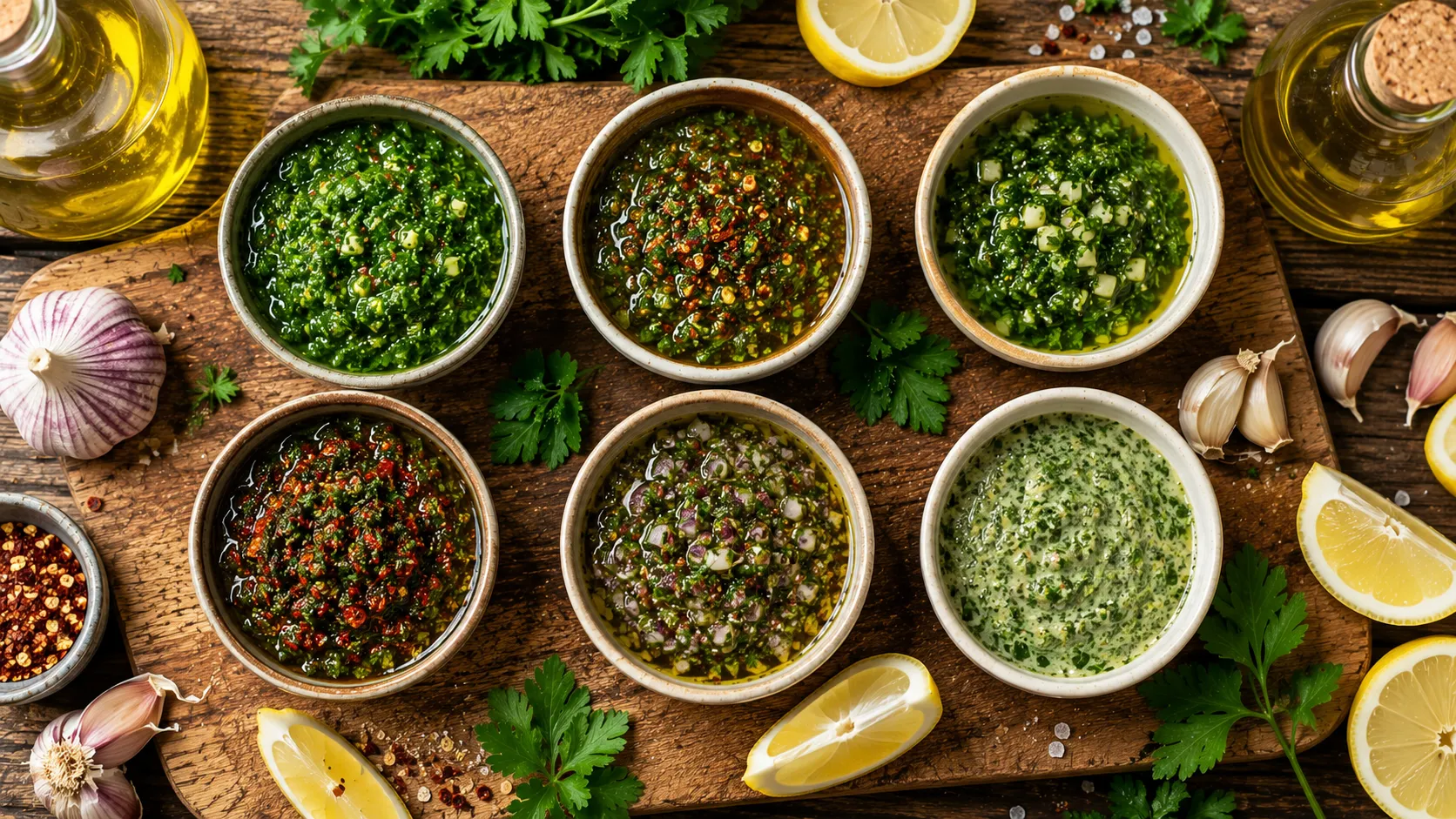
This chimichurri sauce recipe is easy to customize based on your taste preferences. For a milder flavor, reduce the garlic slightly. If you enjoy more heat, increase the red pepper flakes.
Fresh cilantro is optional and can be replaced entirely with parsley if preferred. Some cooks also like adding finely chopped shallots for extra depth.
I’ve seen this work well with a splash of lime juice when serving seafood. For a richer texture, allow the sauce to rest for 30 minutes before serving. This extra time helps the ingredients blend together beautifully while enhancing the overall flavor.
Serving or Storage Tips
Chimichurri is best served fresh, but it stores surprisingly well. Keep it in an airtight container in the refrigerator for up to five days. The olive oil may solidify slightly when chilled, which is completely normal.
Before serving, allow the sauce to sit at room temperature for about 15 minutes and stir well. This helps restore its texture and flavor.
This sauce pairs beautifully with grilled steak, chicken, pork, shrimp, roasted vegetables, and even crusty bread. I’ve noticed that having a jar ready in the refrigerator makes quick meals feel more exciting and flavorful.
Conclusion
This homemade Chimichurri Sauce Recipe proves that a handful of simple ingredients can create something truly impressive. The fresh herbs, garlic, olive oil, and vinegar work together to deliver bold flavor, vibrant color, and incredible versatility.
Whether you’re serving it with grilled meats, seafood, vegetables, or sandwiches, this sauce adds freshness and excitement to every bite. It’s quick to prepare, beginner-friendly, and easy to customize.
Be sure to save this recipe on Pinterest for future meals, try it in your own kitchen, and share it with friends and family who love fresh homemade sauces. Once you taste it, you’ll find countless ways to enjoy it again and again.
Chimichurri Sauce Recipe
8
servings15
minutes15
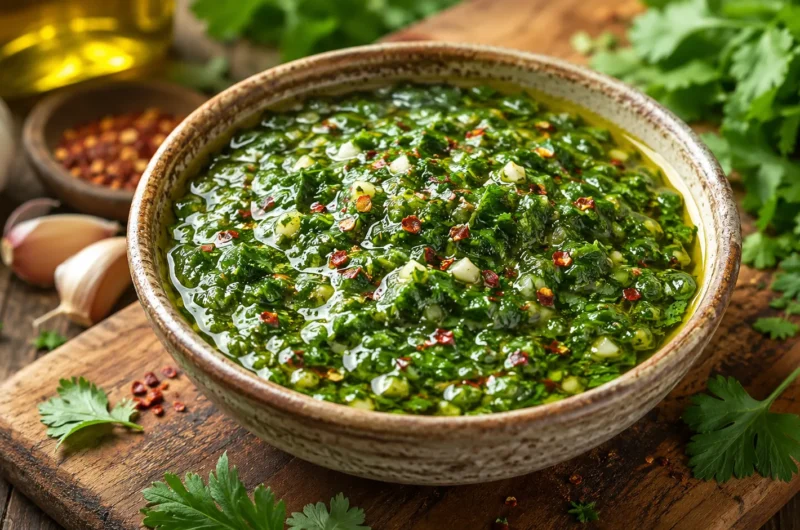
minutesThis fresh chimichurri sauce combines parsley, garlic, olive oil, vinegar, and seasonings to create a vibrant, flavorful condiment perfect for grilled meats, vegetables, seafood, and sandwiches.
Ingredients
1 cup fresh parsley, finely chopped
¼ cup fresh cilantro, finely chopped
4 garlic cloves, minced
½ cup extra virgin olive oil
3 tablespoons red wine vinegar
1 teaspoon dried oregano
½ teaspoon red pepper flakes
½ teaspoon salt
¼ teaspoon black pepper
1 tablespoon fresh lemon juice
How to Make it
- Start by washing the parsley and cilantro thoroughly under cool running water. Shake away excess moisture and pat the herbs completely dry with paper towels. Dry herbs are important because excess water can dilute the flavor and affect the sauce’s texture. Once dry, finely chop the parsley and cilantro using a sharp knife. Take your time to create small, even pieces. In my experience, hand-chopped herbs provide a better texture than herbs processed too finely in a food processor, allowing the sauce to maintain its traditional rustic appearance and fresh herbal character.
- Peel the garlic cloves and mince them as finely as possible. Smaller garlic pieces distribute more evenly throughout the sauce and create a balanced flavor in every bite. Place the chopped herbs and minced garlic into a medium mixing bowl. Stir them together gently so the ingredients are evenly distributed. At this stage, you’ll already notice the fresh aroma filling your kitchen. I’ve noticed that freshly minced garlic delivers a stronger and more vibrant flavor than pre-packaged alternatives, making a noticeable difference in the finished chimichurri sauce recipe.
- Add the dried oregano, red pepper flakes, salt, and black pepper to the herb mixture. These seasonings help build complexity and create the signature flavor profile associated with traditional chimichurri. Stir everything together carefully to ensure the spices are evenly incorporated. The oregano adds earthy depth, while the red pepper flakes contribute a gentle heat that enhances rather than overwhelms the fresh herbs. Mixing the dry ingredients first allows them to spread more evenly throughout the sauce before the liquid ingredients are added in the next steps.
- Pour the red wine vinegar into the bowl and stir thoroughly. The vinegar adds brightness and helps balance the richness of the olive oil. As you mix, you’ll notice the herbs beginning to soften slightly while absorbing the liquid. This step is essential because the acidity helps bring all the flavors together. Allow the mixture to sit for a minute or two before proceeding. This brief resting period helps the garlic and herbs begin releasing their natural flavors, creating a more aromatic and flavorful final sauce.
- Slowly drizzle the extra virgin olive oil into the bowl while stirring continuously. This gradual process helps the ingredients combine evenly and creates the ideal texture. The olive oil should coat every piece of herb without making the mixture overly oily. Continue stirring until everything looks well blended. The vibrant green color will become even more noticeable as the oil enhances the appearance of the herbs. Good-quality olive oil can make a significant difference, adding richness and smoothness to the overall flavor profile.
- Add the fresh lemon juice and stir again until fully incorporated. The lemon juice introduces another layer of freshness that complements the vinegar beautifully. Taste the sauce carefully and adjust the seasoning if needed. Some people prefer slightly more salt, while others enjoy extra acidity. I’ve tried this recipe with a little additional lemon juice when serving seafood, and it works wonderfully. Small adjustments at this stage allow you to customize the sauce according to your personal preferences and intended serving dish.
- Let the chimichurri sauce rest at room temperature for about 10 to 15 minutes before serving. This resting period allows the herbs, garlic, oil, and seasonings to blend together more completely. The flavors become smoother and more balanced as they sit. During this time, the sauce develops a richer aroma and more cohesive taste. While it can be used immediately, waiting a few extra minutes often improves the final result. The difference may seem small, but it contributes noticeably to overall flavor quality.
- Serve the chimichurri sauce over grilled steak, chicken, seafood, vegetables, or roasted potatoes. Spoon generously over warm foods so the aroma releases beautifully when served. If desired, transfer the sauce to a decorative serving bowl for presentation. The bright green color creates an attractive contrast against grilled and roasted dishes. Every spoonful delivers fresh herbs, garlic, and tangy flavor. Whether you’re preparing a weeknight dinner or entertaining guests, this versatile sauce adds a professional touch and impressive visual appeal.
Notes
- Fresh herbs provide the brightest flavor and best texture.
- Allow the sauce to rest before serving for improved flavor.
- Use high-quality olive oil for the richest taste.
- Adjust red pepper flakes based on your preferred spice level.
- Store leftovers in an airtight container and stir before serving.
FAQ 1: Can I make Chimichurri Sauce Recipe ahead of time?
Yes. In fact, making it a few hours ahead allows the flavors to blend together more fully. Store it in the refrigerator and stir before serving for the best taste and texture.
FAQ 2: What can I serve with Chimichurri Sauce Recipe?
This sauce pairs wonderfully with grilled steak, chicken, pork, seafood, roasted vegetables, potatoes, and sandwiches. Its fresh flavor complements many savory dishes.
FAQ 3: Can I freeze chimichurri sauce?
Yes. Freeze the sauce in small portions using ice cube trays. Once frozen, transfer the cubes to a freezer-safe container and thaw as needed for future meals.
FAQ 4: Can I use dried herbs instead of fresh herbs?
Fresh herbs are highly recommended because they provide the bright flavor and texture that define authentic chimichurri. Dried herbs will significantly change the final result.
FAQ 5: Why does my chimichurri taste bitter?
Bitterness often comes from overly mature parsley stems or poor-quality olive oil. Using fresh herbs and good olive oil helps create a smoother and more balanced flavor.